
Third-Party Collection License Services
Free Yourself From The Burden of Third-Party Collection Agency Licensing
State licensing compliance for third-party collectors isn’t optional, but that doesn’t mean it has to be stressful. With Cornerstone, you get licensing experts who stay ahead of evolving state regulations—so you can focus on growing your agency.
Speak with a licensing expert today to get started. Never miss a renewal. Expand confidently.
Call: 888-472-3834 Or fill out the form to get started.

The Problem
State Licensing for Third-Party Collectors: An Ever-Changing Landscape
Whether you’re running an established third-party collection agency or starting a new one, staying compliant with state licensing requirements is critical—especially as regulatory scrutiny increases.
Obtaining and maintaining licenses is not a one-time task. It’s an ongoing operational challenge, particularly for agencies operating across multiple states.
Common headaches include:
Complex, State-by-State Requirements:
Each state has its own licensing laws, forms, and fees. Missing one can halt your business.
Internal Management Risks:
Assigning licensing to busy staff increases errors and the risk of missed deadlines—especially if key team members leave.
Ongoing Maintenance Challenges:
National agencies juggle many licenses. Even a small oversight can lead to fines or suspension.
Is your agency prepared for every update, renewal, and audit? Cornerstone ensures you are—every time.
LEAVE THE HASSLE OF LICENSING To Us
Manage All Your Third-Party Collector Licenses with Ease
Cornerstone specializes in helping third-party agencies navigate every aspect of licensing, bonds, and registered agents, nationwide. With 25+ years of experience and 500,000+ filings, we’ve seen—and solved—every licensing scenario.
What Makes Our Licensing Services Different?
Proven Experience: 25+ Years & 500,000+ Filings
From first-time applications to complex multi-state renewal projects, our track record means you can trust us to get it right the first time.
Proprietary AI Tools Always Backed by Human Expertise
Our secure, in-house AI streamlines paperwork and flags issues, but every filing is reviewed by a Cornerstone specialist. This means you get fast, accurate results—without risking automation errors.
Streamlined Workflows, Smarter Prioritization
Centralize all your licensing delete in one digital workspace. Our database organizes invoices, notes, communications, documents and deadlines—so your team never misses a detail.
- Automatic follow-ups
- Unified tracking for notes, communications, documents, and payments
- Real-time alerts on action items and renewals
In-House Licensing Specialists
You’ll have a direct line to a dedicated expert who knows the filing requirements and can answer questions fast.
Atlas Portal: Manage Licensing & Bonds Online
Access your secure Licensing Portal to track every license, renewal, and bond—anytime, anywhere. Learn more about Atlas.
Centralized Insights & Forecasting
Get real-time visibility into your licensing inventory – so you can spot issues before they become problems.
Why Agencies Choose Cornerstone
Fewer Mistakes:
Automation and expert review mean no missed deadlines or overlooked filings.
Faster Cash Flow:
Faster Cash Flow: Free your team to focus on collections and client relationships—not paperwork.
Peace of Mind:
We guarantee full transparency and proactive communication—no surprise fees, no hidden charges.

Simplify Your Licensing Journey
Never Worry About Licensing Again CONNECT WITH A Licensing Expert Today
State Map
State-by-State Licensing Requirements for Debt Collectors
The majority of U.S. states require a license to operate as a debt collection agency. However, these requirements are far from uniform. Our map of state requirements for debt collectors is a comprehensive resource of states that currently require a collection agency license highlighting the patchwork of regulations across the country.
Click a state for more information.
State Name
Click A State For More Info
Resources
Learn About Specific State Regulations










Key Regulations & Benefits
What Is A Third-Party Collection Agency?
Debt collection and debt buying are highly regulated at both the state and federal levels, requiring strict adherence to laws and licensing mandates. In 36 states and several major cities, debt collectors must obtain a license to operate legally, which often involves background checks and demonstrating knowledge of debt collection laws. Key federal laws include the Fair Debt Collection Practices Act (FDCPA), enforced primarily by the Federal Trade Commission (FTC) and the Consumer Financial Protection Bureau (CFPB). At the state level, agencies like state attorneys general and financial regulators monitor compliance and aggressively pursue violations.
Third-party collection agencies work independently to collect debts for creditors, usually for a fee tied to the amounts recovered. This service not only benefits businesses and government entities by returning funds otherwise lost, but also bolsters the broader economy through increased liquidity. However, these agencies face heightened oversight, driven by concerns over consumer protection. California’s recent debt collection licensing law exemplifies a growing trend in stricter state-level requirements, and regulators nationwide continue to tighten rules in response to consumer complaints.
Licensing criteria vary significantly by jurisdiction and can include obtaining specific licenses, surety bonds, or registrations, as well as meeting criteria for professional conduct and training. Agencies must also stay compliant with varying regulations around disclosures, communication practices, and fair treatment of consumers. Failing to navigate this regulatory landscape can result in penalties, legal actions, and reputational damage, underscoring the importance of thorough compliance strategies.
Despite these complexities, third-party collectors are an essential resource for businesses seeking to recover overdue accounts efficiently. By outsourcing debt collection, companies can focus on core operations, often improving their own financial performance and credit standing. In some cases, a knowledgeable collector can even advise on best practices that help businesses further strengthen their credit profile, making third-party agencies a critical component of a robust debt recovery strategy.
What Is a Trust Account, and When Is It Required for Collection Agencies?
A trust account is a separate bank account set up solely to hold funds collected on behalf of clients during debt collection activities. This account acts as a safeguard, ensuring that client money remains distinct from a collection agency’s own operating funds—much like housing tenants’ security deposits in escrow rather than your personal checking account.
For most collection agencies and debt buyers, maintaining a dedicated trust account is not only a best practice but a common legal requirement. If you’re collecting payments from consumers—regardless of whether your clients are based in North Carolina or elsewhere—a general trust account is necessary to properly manage and remit these funds.
However, if you do serve clients in certain states (North Carolina being one example), you may also need to set up an additional, state-specific trust account to comply with local regulations. The purpose here mirrors broader compliance trends: regulators want a clear audit trail and assurance that consumer payments are handled with absolute transparency.
In short, opening and managing a trust account is fundamental for agencies operating legally, and staying ahead of these requirements helps safeguard both your business and your clients’ confidence.

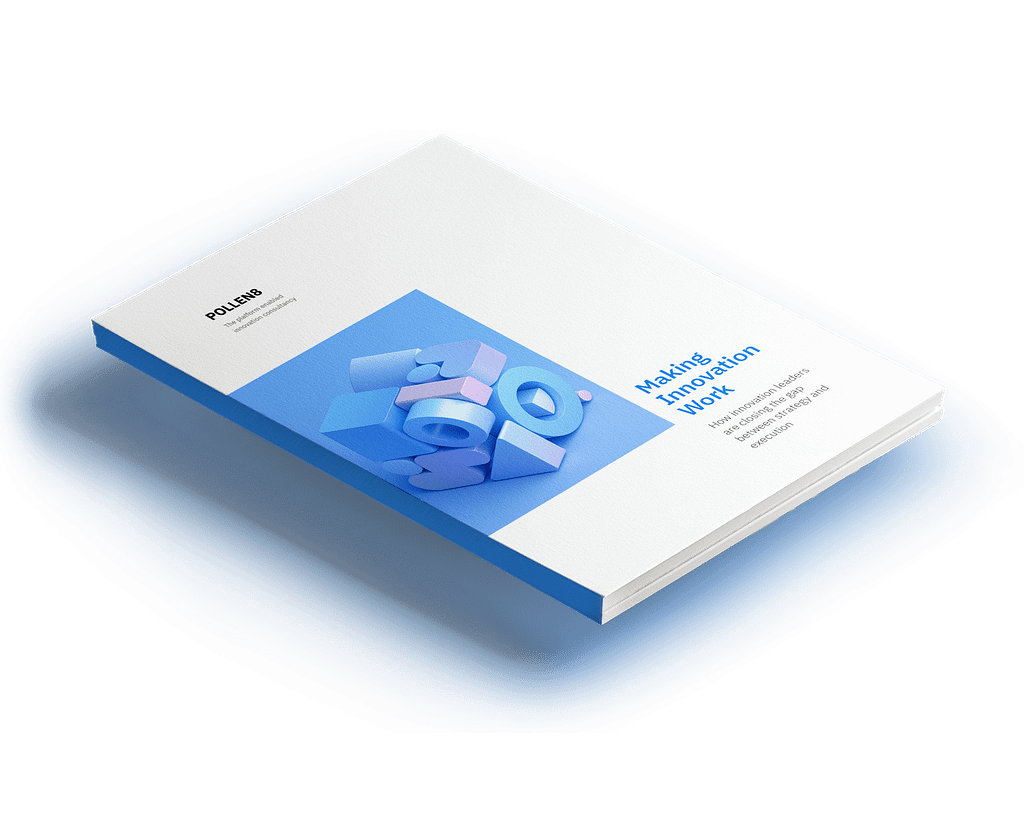
Free Whitepaper
Licensing Survival Guide For Third-Party Collectors
Application & renewal pitfalls (and fixes), surety bond requirements & cost strategies, how to track regulatory changes, and state spotlights.
How Long Does the Collection Agency Licensing Process Take?
The timeline for securing a collection agency license can vary, but applicants should generally anticipate a process lasting between three to six months from start to finish.
Failure to provide all requirements or delays during the review phase can cause processing times to lengthen.
Once your application clears the review process, it moves into final approval, and your official licensure certificate or approval confirmation will be sent by the state.
Keeping close tabs on your application status, responding promptly to requests, and double-checking all paperwork before submission can help streamline the process.
What Is the Process for Applying for a Collection Agency License Online?
Securing a collection agency license online is a multi-step process that benefits from a clear understanding of both procedural flow and common challenges. Typically, the steps unfold as follows:
1.
Access the State Licensing Portal:
Most states require applicants to use an official licensing platform to begin their application.
2.
Complete the Application
Provide detailed business information, supporting documents, and applicable fees.
3.
Preliminary Review
Your application undergoes an initial assessment, and you may be contacted for additional information.
4.
Regulatory Review
Officials ensure full compliance with licensing standards, including background checks and bond verification.
5.
Approval and Issance
Once all requirements are satisfied, you’ll receive official notification along with your license.
Timeframe to Expect:
Time lines vary by state with most taking between three to six months. Some states which have requirements such as manager testing, background screening and fingerprinting can exceed the six month mark.
Pro Tip:
Carefully review all requirements before submitting your application. Staying proactive with responses and documentation will help you avoid common delays and move swiftly to approval.
Required Forms & Applications for Collection Agency Licensing
To kick off your application for a collection agency license, you’ll need to gather a few essential documents—each designed to satisfy regulatory requirements and establish your firm’s fitness to operate.
Key Forms Typically Required:
Surety Bond Forms:
As part of the application process many states require the submission of a surety bond. Each state has its own unique form and value.
Personal Questionnaire:
Every principal or key manager involved in the agency will typically need to complete a background questionnaire. This form assesses your character, financial responsibility, and relevant experience.
Additional Requirements:
- Completed application, often submitted electronically.
- Proof of a valid surety bond meeting state-mandated amounts.
- Company formation documents (e.g., articles of incorporation or operating agreement).
- Business plans and method of operations
- Any required fees for application processing.
Personal Questionnaires for Officers, Owners and Collection Managers: Are They Needed?
Licensing applications often require the applicant’s control people to submit a personal history statement. The definition of a control person varies by state, but generally includes all corporate officers, owners and collection managers. In addition to personal history statements, background screenings, credit checks and fingerprinting may be required.
Atlas by Cornerstone
All Your Licenses & Bonds Managed In One Place
Atlas, our industry-leading licensing and bonds management tool, gives unprecedented access to a dashboard displaying your most relevant compliance information. Atlas helps you track of all your filings in one easy to access place. Experience the easy way to manage your licenses and bonds.


JUST GETTING STARTED?
Check Our Our Free Guide On Starting A Debt Collection Agency
Includes:
- A roadmap to setting up a successful and profitable debt collection company
- State requirements for opening a debt collection company
- Important debt collection laws to keep track of
- How Cornerstone can help
Proud Members Of