
NYC ADOPTS SWEEPING DEBT COLLECTION RULE AMENDMENTS
New York City has finalized a broad set of changes to its local debt collection rules, expanding obligations for collection agencies, debt buyers, and original creditors once they engage in “debt collection procedures.” The final rule, effective Sept 1, clarifies several long-debated areas, including communication limits (applied per account), validation and verification expectations, time-barred debt disclosures, medical debt dispute handling, and recordkeeping. For teams collecting in or into NYC, this is a good moment to review outreach cadences, channel consent workflows for email and text, dispute intake and verification timelines, and documentation retention tied to communications and consumer requests.
NY COERCED DEBT PRIVATE RIGHT OF ACTION ENACTED
New York enacted a law creating a private right of action and an affirmative defense for consumers to challenge “coerced debt,” meaning debt incurred through economic abuse such as fraud, duress, or manipulation. When a consumer submits a statement with adequate documentation asserting a debt is coerced, creditors must pause collection during review, notify consumer reporting agencies of the dispute within 10 business days, and complete the review within 30 business days. If collection restarts, the creditor must provide a written explanation of the good-faith basis and supporting documentation, while excluding another person’s personally identifiable information. The statute takes effect 90 days after it became law, and it also authorizes enforcement by the New York Attorney General and creates civil liability for individuals who cause coerced debt.
EWA AND ON-DEMAND PAY OVERSIGHT EXPANDS
States continue to formalize oversight for earned wage access and adjacent on-demand pay models, with recurring themes around disclosures, no-cost access options, cancellation rights, voluntary tips, and tight limits on downstream collections tools.
-
- Oklahoma: A proposed earned wage access act would set consumer-facing rules and restrict common collection practices, and it also states the product is not treated as a loan or money transmission for state law purposes. If enacted, it would take effect November 1, 2026.
- Michigan: A proposed earned wage services act would require licensing and establish ongoing obligations, plus detailed consumer protections around disclosures, cancellation, tips, and treatment of certain fee events tied to repayment attempts.
- New York: A proposal would require employer-integrated on-demand pay providers to register and submit core business and disclosure materials. The current version signals how New York is thinking about oversight, even though it does not appear to be moving forward in its present form.
MN ENFORCEMENT ACTION FOR UNLICENSED ACTIVITY
A Minnesota regulator issued a final order against a collections company for operating without the required license and for failing to respond to information requests during the investigation. Beyond the licensing takeaway, the case is also a reminder that states expect timely cooperation during examinations and investigations, and a failure to engage can escalate outcomes quickly.
MONEY TRANSMITTER LICENSING GUIDE
NEW! A guide to help payment processors understand multi-state licensing and build a scalable strategy for national growth:
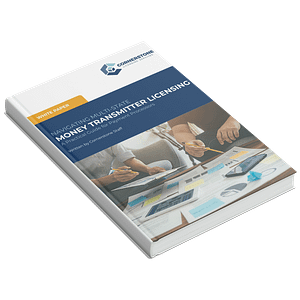
What’s Included:
-
-
- MTL licensing triggers
- Step-by-step overview of the licensing journey
- State licensing nuances
- Key financial safegaurds
- Considerations for digital assets and fintech models
-
DEBT MANAGEMENT BILLS ADVANCE WITH LICENSING, FUNDS-HANDLING & FEE THEMES
Two states are moving debt management proposals that focus on licensing structure, custody of consumer funds, and guardrails around how services are delivered.
-
-
- Mississippi: A bill would extend and clarify the state’s framework for debt management service providers, including licensing, financial responsibility showing, surety bonding or equivalent, and escrow handling rules for consumer funds, with enforcement referrals possible through the banking regulator to the Attorney General. If enacted, it would take effect July 1, 2026.
- Iowa: Lawmakers are advancing two overlapping bills that share a licensing structure and account-segregation expectations, but diverge on business model flexibility and when consumer fees can be charged. Each would take effect on the first July 1 after enactment.
-
WEBINAR: TAX & RISK ROUNDTABLE
 Last week’s webinar covered key tax issues for fast-growing, multi-state businesses, including federal updates, state-by-state differences, nexus triggers, audit risk, and M&A diligence. If you missed it, you can watch the recording anytime.
Mitch and Jennifer shared where tax risk tends to build quietly, usually in the gaps between jurisdictions, systems, and documentation, and what teams can tighten now to avoid surprises during audits, expansion, or a deal.
Highlights included what to watch first from recent federal changes, how everyday business actions can create new filing requirements, the difference between a filing requirement and actually owing tax, how multi-state exposure can surface late in M&A diligence, why clean documentation is your best protection, and how digital asset reporting expectations are changing fast.
WATCH RECORDING
COMMERCIAL INSURANCE
Did you know Cornerstone offers robust insurance services to safeguard your business? Simplify your operations by having licensing and insurance handled under one roof.
Our promise is to cut through the jargon and hidden clauses that often leave businesses unprotected when they need it most. We leverage our relationships with vetted global insurance brokerage firms to give you the benefit of buying power, and we shop the market to make sure you get the best value in coverage and pricing, saving you time and energy.
Our insurance experts are excited and ready to answer your questions. Let us handle the legwork so you can focus on what matters—growing your business.
PA RENEWAL LAPSES TRIGGER ENFORCEMENT
Pennsylvania entered consent orders with two vehicle dealers for continuing to offer retail installment contracts after their consumer credit licenses were cancelled due to late renewal applications. The practical takeaway is that renewal failures can become an immediate “no authority to operate” issue, so it’s worth building redundancy into renewal calendars, documenting status checks tied to origination activity, and having a clear pause process if a license falls out of good standing.
MARYLAND RENT COLLECTION: 7 LICENSING RISKS
 Maryland rent collection can become a licensing risk for property managers once an account goes past due and the workflow shifts from routine billing to delinquency outreach. Our new 2026 overview breaks down the key risk areas to watch, including how authority, communications, third parties, and escalation steps can change the analysis. We also flag HB 433, a proposal that could create a clearer exemption for certain property managers. Read the full article for more.
NEW ATLAS DASHBOARD: NOW LIVE
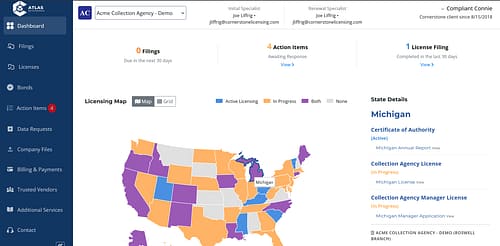
For clients using the Atlas licensing management portal, a new dashboard is now live when you log in. It provides a visual view of your licensing status by state and highlights key items at a glance, including upcoming due dates, upcoming action items, and recently completed filings. As part of our ongoing effort to make Atlas more useful and intuitive, we are making consistent improvements that help you find what you need faster and stay ahead of what is coming next.
LOGIN TO ATLASMULTI-STATE MLO ENFORCEMENT
A coalition of state regulators reached a settlement with a mortgage loan originator after allegations tied to continuing education attestations and reporting. The outcome included coordinated, state-by-state actions and broad restrictions on future licensure across participating states. For mortgage teams, it reinforces the value of stronger internal controls around CE verification, record retention, and periodic audits that go beyond self-attestation, especially for individuals tied to control, sponsorship, or qualified-individual roles.
BEYOND THE NEWSLETTER

Head to LinkedIn and give us a follow to tap into a stream of real-time updates, legislative changes, and great content tailored for ARM and Fintech professionals. Engage with thought leaders and peers in our community to enhance your expertise.
Follow Cornerstone on LinkedIn and transform the way you stay informed in our ever-evolving industry.
This information is not intended to be, nor is it, legal advice. It is intended for information purposes only. We make no warranty, express or implied, as to the accuracy or reliability of this information. We are not attorneys. You must retain your own attorney to receive legal advice. While Cornerstone strives to provide the most current and accurate state licensing information, the responsibility for any decision related to state licensing or agency compliance is solely yours.