
UTAH
UT AI DISCLOSURE LAW ENACTED
Effective May 7, 2025, Utah’s new law requires businesses and licensed professionals using generative AI in consumer interactions to provide clear disclosures. In regulated industries—including financial services, lending, and debt collection—licensed individuals must proactively disclose AI use at the start of any high-risk interaction, such as those involving financial advice or sensitive personal data. For general consumer transactions, businesses must disclose AI use if the consumer inquires. Violations may result in administrative fines up to $2,500 per instance.
NORTH DAKOTA
ND FINANCIAL INSTITUTION DATA SECURITY AND LICENSING LAW ENACTED
North Dakota has enacted House Bill 1127, requiring licensed financial institutions to establish and maintain comprehensive data security programs to protect customer information. The law mandates risk assessments, encryption standards, and incident response plans. It also updates rules governing the removal of institution personnel, issuance of cease-and-desist orders, and the renewal or revocation of licenses. Financial services businesses operating in the state should review their compliance practices to align with these enhanced cybersecurity and licensing oversight requirements.
COLORADO
CO MONEY TRANSMISSION LICENSING MODERNIZED UNDER NEW LAW
Colorado officially adopted the “Money Transmission Modernization Act.” The law replaces and reenacts the state’s money transmitter licensing framework with a model designed to promote uniformity across states and streamline multistate licensing. Key provisions include mandatory licensure for anyone engaging in money transmission unless exempt, adoption of the NMLS system for licensing and renewal, and updated definitions and requirements for control, authorized delegates, and transmission obligations. Licensees must meet ongoing financial standards, including tangible net worth thresholds, surety bonds, and permissible investment maintenance. The law also emphasizes enhanced consumer protection through timely refunds, disclosure requirements, and regulatory oversight. If no referendum challenge is filed, the Act will become effective following the standard 90-day period after legislative adjournment.
MARYLAND
MD EXEMPTS PASSIVE TRUSTS FROM MORTGAGE AND INSTALLMENT LOAN LICENSING
Maryland has enacted the Secondary Market Stability Act, immediately exempting “passive trusts” from mortgage lender and installment loan licensing requirements under state law. A passive trust is defined as one that merely acquires or is assigned mortgage loans without originating, brokering, or servicing them. This new law effectively overturns prior guidance issued by the Maryland Office of Financial Regulation, which had required licensing for certain secondary market assignees. However, entities that acquire loans outside of a passive trust structure must still obtain a Maryland mortgage lender license by July 6, 2025. Importantly, the exemption does not extend to loans made under Maryland’s Consumer Loan Law, where assignees must continue to hold a consumer loan license.
BLOG POST
ARE YOU LICENSED TO COLLECT FEDERAL STUDENT LOANS?

With federal student loan collections set to resume on May 5, agencies, servicers, and debt buyers should take a closer look at their state licensing obligations. Several states now require dedicated student loan servicer licenses—and exemption rules may not apply as broadly as expected. Read the full article to understand what’s changing and how to prepare.
READ MORE
CALIFORNIA
CA LICENSING AND COMPLIANCE RULES FOR DIGITAL ASSET BUSINESSES
California has issued a proposed rulemaking to implement the Digital Financial Assets Law (DFAL), which requires businesses engaging in digital asset activities to obtain a license from the Department of Financial Protection and Innovation (DFPI) starting July 1, 2026. The proposed rules clarify application requirements, licensing through the NMLS, surety bond obligations, and procedures for notifying the Department of material changes. It also outlines exemptions for incidental money transmission linked to digital asset activity. Financial institutions and fintechs offering crypto or digital asset-related services in California should closely monitor this bill, as it introduces formal licensing and compliance mandates not yet in effect.
NORTH CAROLINA
NC BILL TO RECOGNIZE BITCOIN-LIKE DIGITAL ASSETS FOR PAYMENTS
A proposed bill in North Carolina—the Digital Asset Freedom Act—would allow certain qualifying decentralized digital assets to be accepted for payments, including tax obligations. While not naming Bitcoin directly, the bill defines eligible assets by criteria that uniquely align with Bitcoin, including proof-of-work consensus, no central authority, and high market capitalization and liquidity thresholds. The bill reflects North Carolina’s growing support for decentralized financial systems and follows its 2024 law banning the use of central bank digital currencies (CBDCs). The proposal signals a shifting regulatory climate that may impact money transmitters and financial institutions engaged in digital asset services.
IOWA
IA LAW ENACTED REGULATING USE OF TRIGGER LEADS IN LOAN MARKETING
Iowa has enacted House File 857, restricting how financial institutions use prescreened trigger lead data for marketing. The law requires clear disclosure that the soliciting institution is not affiliated with the consumer’s original lender and prohibits the use of such data for consumers who have opted out or are on the federal do-not-call registry. It also reinforces compliance with state and federal marketing laws. Violations are classified as unlawful practices under the Iowa Consumer Fraud Act, increasing enforcement risk for lenders and debt buyers using this data for loan solicitations.
BLOG POST
MUNICIPAL DEBT COLLECTION LICENSING
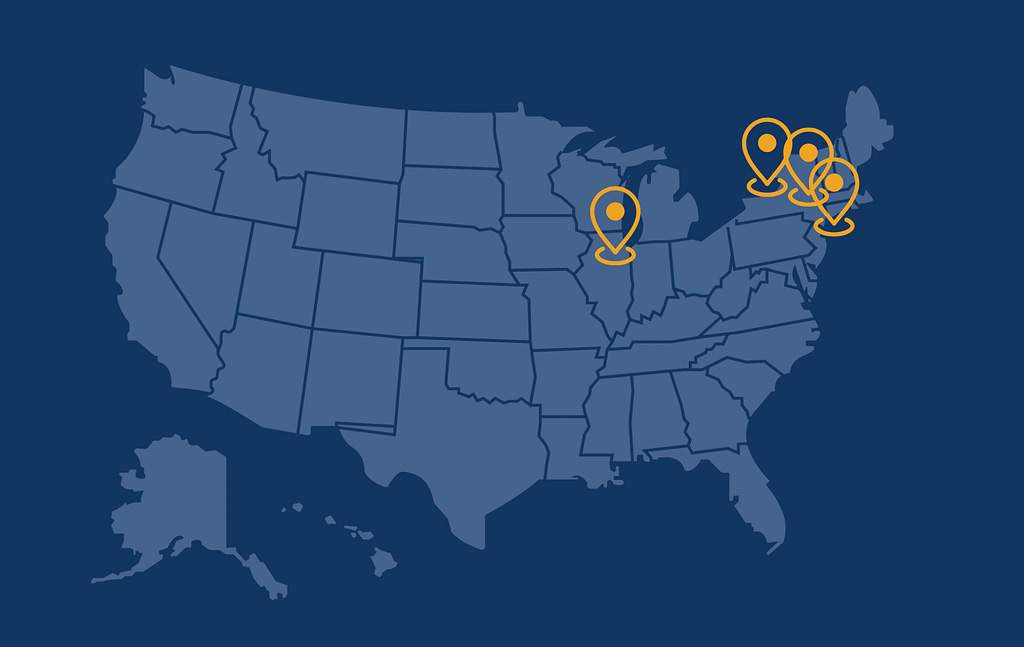
While most debt collectors focus on state licensing, cities like New York, Chicago, Buffalo, and Yonkers have their own rules—with real enforcement power. If you’re collecting from residents in these areas, local licenses may be required, even if you’re out-of-state or using vendors. Click here for a breakdown of which cities require debt collection licenses and what’s expected.
READ MORE
ILLINOIS
IL DIGITAL ASSETS AND CONSUMER PROTECTION BILL
Illinois has advanced Senate Bill 1797, the Digital Assets and Consumer Protection Act, which would impose new compliance obligations on cryptocurrency companies operating in the state. The proposed bill requires registration with the Illinois Department of Financial and Professional Regulation, clear consumer disclosures, and proof of financial capability for payouts. It also mandates procedures to address money laundering, fraud, and cybersecurity risks. While not yet enacted, the bill could significantly impact licensing and compliance requirements for digital asset firms and payment platforms offering crypto services in Illinois.
INDUSTRY NEWS
CFPB APRIL SNAPSHOT
April marked a pivotal month for the CFPB, as sweeping structural changes and rollbacks in regulatory priorities began to reshape the agency’s direction. On April 16, the Bureau released new supervision and enforcement priorities for 2025, signaling a 50% reduction in exams and a return to focusing on depository institutions, tangible consumer harm, and fraud—while avoiding novel legal theories and reducing overlap with state regulators. Earlier in the month, the CFPB agreed to vacate its controversial credit card late fee rule and announced it would not prioritize enforcement for missed deadlines under its nonbank registry rule or small business lending rule (1071), both of which are under reconsideration.
The Bureau also revealed plans to revoke several existing guidance documents—including on medical debt collection and Buy Now, Pay Later—citing the need for formal rulemaking under the Administrative Procedure Act. In parallel, a significant workforce reduction effort shook the agency: between April 17–18, nearly 1,500 employees received layoff notices before a federal judge temporarily blocked the cuts, prompting an ongoing legal battle. Meanwhile, the CFPB confirmed it will not enforce its 2024 payday lending rule provisions or pursue aggressive crypto regulation in the near term. As regulatory priorities shift and legal challenges unfold, financial services providers should continue monitoring both federal and state developments for operational and compliance implications.
CALIFORNIA
CA MOVES TO STRENGTHEN CONSUMER PROTECTIONS AMID FEDERAL PULLBACK
With federal consumer protection enforcement scaling back, California is advancing its own regulatory initiatives to fill the gap. Senate Bill 825 reinforces the state’s ability to enforce unfair, deceptive, or abusive practices (UDAAP) even for licensed entities. Additionally, Assembly Bill 801 introduces a California Community Reinvestment Act, requiring financial institutions to meet the needs of low- and moderate-income and minority communities—linking performance ratings to state contracts and funding eligibility. Financial institutions operating in the state should prepare for heightened scrutiny and evolving compliance obligations.
BLOG POST
NAVIGATING 2025 DEBT COLLECTION LICENSING CHALLENGES
With new rules in states like California, Nevada, Wisconsin, and Illinois, plus ongoing shifts in licensing platforms and deadlines, debt collection agencies face growing complexity in maintaining compliance. Whether you collect consumer or commercial debt—or buy portfolios across multiple states—2025 is bringing critical updates that may affect your operations. Click here to read the full article.
READ MORE
NEBRASKA
NE MAJOR OVERHAUL PROPOSED TO LENDING AND MONEY TRANSMISSION LICENSING
Nebraska’s proposed bill (LB 474) would significantly reshape the state’s regulatory framework for installment loans, installment sales, and money transmission. It introduces the Money Transmission Modernization Act, clarifying licensing requirements for money transmitters—including those offering payroll processing services—and authorizing use of the NMLS for streamlined licensing and supervision. The bill eliminates the Nebraska Installment Loan Act, consolidating its provisions under a renamed statute and expanding licensing requirements to include not only lenders but also those who acquire, service, or participate in installment loans above 16% APR.
For financial services businesses, the proposal imposes new licensing standards, application and renewal fees, bonding and reporting requirements, and operational restrictions, including consumer disclosure mandates and debt collection conduct limits. It also adds licensing requirements for reverse mortgages and establishes strict permissible investment guidelines for licensees. If enacted, the bill would take effect on October 1, 2025, and financial institutions should begin evaluating how these changes would affect their licensing obligations and business models.
INDUSTRY NEWS
FCC DELAYS BROAD CONSENT REVOCATION RULE UNDER TCPA
The FCC has extended the effective date of a key portion of its TCPA rule to April 11, 2026, giving financial institutions more time to adapt. The delayed rule would require that once a consumer revokes consent to receive calls or texts, that revocation applies to all future communications from the caller, even on unrelated matters. Other rule changes—like mandatory recognition of keywords such as “stop” or “cancel”—will still take effect on April 11, 2025.
NEW YORK
NY BILL TO ALLOW CRYPTO PAYMENTS TO STATE AGENCIES
NY Assembly Bill A7788 proposes allowing state agencies to accept cryptocurrency—including Bitcoin, Ethereum, and others—for payments such as fines, taxes, and fees. If enacted, the bill would require agencies to partner with crypto issuers and implement secure, regulated transaction processes. This bill signals a shift toward greater digital asset integration in state financial systems. Financial services businesses, particularly money transmitters and payment processors, should monitor this proposal for its potential operational and compliance implications.
CORNERSTONE CAN HELP
BUSINESS FORMATION
Choosing the right business structure is a critical decision as it affects the legal, financial, and operational aspects of the business, as well as its growth and success. There are many differing business structures and factors such as the number of owners, liability protection, taxation, and management structure play a role in determining the best structure.
We are here to guide you through this exciting journey. Our team of experts is well-versed in business formation and can help you navigate the complexities. We’ll assist you in choosing the most suitable business structure that aligns with your goals and needs, filing all the necessary paperwork swiftly and accurately. Let us handle the technicalities while you focus on what truly matters – growing your business.
GET STARTED
OREGON
OR ADVANCING MEDICAL DEBT CREDIT REPORTING BAN
The Oregon Senate has passed Senate Bill 605, a proposed law that would prohibit medical providers, hospitals, and debt collectors from reporting medical debt to credit bureaus. The bill also bars consumer reporting agencies from including known or reasonably knowable medical debt in credit reports. Violators—including collectors—could face lawsuits, and courts may void any debt reported in violation of the law. The legislation now heads to the Oregon House for further consideration.
MINNESOTA
MN LICENSING REQUIREMENT FOR EARNED WAGE ACCESS PROVIDERS
A bill in Minnesota would require earned wage access (EWA) providers to obtain a license to operate in the state, including those without a physical presence but offering services online. The bill establishes consumer protection standards, including mandatory disclosures, tip transparency, and restrictions on fees—capping expedited delivery and membership fees at $7 and prohibiting interest charges or credit report usage. Licensed EWA providers must also reimburse overdraft fees caused by repayment attempts and cannot report non-payment to credit bureaus or debt collectors. Banks and credit unions are exempt, and the bill explicitly clarifies that EWA services are not loans or debt collection. If passed, the measure is set to take effect on August 1 following enactment, with a grace period for current providers to apply once licensing becomes available.
BLOG POST
CHOOSING THE BEST LENDING BUSINESS MODELS FOR GROWTH
New York has introduced the Buy Now Pay Later Act, which would require buy-now-pay-later (BNPL) lenders to obtain a license from the Superintendent of Financial Services to operate in the state. License applicants must meet financial solvency, capitalization, and credit access requirements, and licenses will remain valid unless revoked, suspended, or surrendered. The measure prohibits unlicensed BNPL loans, which would be considered void and uncollectable. Lenders must disclose loan terms, repayment schedules, and fees clearly to consumers, and are barred from charging interest, penalties, or late fees. Lenders must also maintain detailed business records for six years and file annual reports under penalty of perjury. If passed, the measure would take effect one year after enactment and introduce significant oversight of BNPL services in New York.
READ MORE
NEW YORK
NY AMENDMENTS TO DEBT COLLECTION RULES PROPOSED
The New York City Department of Consumer and Worker Protection has proposed rule changes impacting debt collectors, including original creditors who begin collection activities. The amendments would clarify that original creditors are not subject to debt collector rules until after initiating formal collection procedures, and revise how the itemization reference date is determined for accounts without a charge-off. Other proposed updates address communication limits, consent for electronic communications, and practices deemed unfair or deceptive. These changes may require policy and system updates for creditors and collectors operating in NYC. A public hearing is scheduled for June 10 to review the proposals.
NORTH CAROLINA
NC COMPETING BILLS ON DEBT SETTLEMENT REGULATION AND BAN
Two proposed bills in North Carolina would drastically reshape the debt settlement industry—but in opposite ways. Senate Bill 491 would license and regulate debt settlement providers, requiring licensure through the State Banking Commission, a $1 million surety bond, and compliance with fee caps and strict disclosure rules, with enforcement mechanisms including civil and criminal penalties.
In contrast, House Bill 734 would ban debt settlement altogether, expanding the current prohibition on debt adjusting and classifying such services as unfair trade practices, with contracts voided and violators subject to legal action by the Attorney General.
SB 491 would take effect January 1, 2026, while HB 734 would take effect July 1, 2025, if enacted. Debt Resolution businesses operating in North Carolina—should monitor both bills closely for licensing and operational implications.
KENTUCKY
KY LAW CLARIFYING DIGITAL ASSET AND BLOCKCHAIN ACTIVITIES ENACTED
On March 24, Kentucky enacted House Bill 701, establishing a legal framework for blockchain and digital asset activities. The law permits digital assets to be used in commerce, allows node and staking operations, and confirms that staking is not a securities offering under state law. It also provides that self-custodied digital wallets do not trigger money transmission licensing, reducing regulatory friction for individuals and businesses. The law amends Kentucky’s securities and financial services statutes to provide greater clarity and limits regulatory burdens for digital asset service providers. Financial institutions, money transmitters, and fintechs operating in the crypto space should review these updates to ensure compliance and assess opportunities under the new framework.
NEW YORK
NY LICENSING REQUIREMENT FOR CONSUMER DEBT COLLECTORS PROPOSED
New York Senate Bill 4271 proposes new licensing requirements for consumer debt collectors, amending state banking and civil practice laws. Under the bill, debt collectors—including debt buyers and creditors using third-party names—would be required to apply for a state license unless falling under specific exemptions (such as loan servicers for current accounts and certain public officials). Jurisdiction for regulating licensed debt collectors would rest with the state, although cities with populations over one million could maintain stricter local rules if they file notice with the Department of Financial Services. The bill would take effect in phases, with core licensing provisions becoming effective on January 1, 2028. If enacted, this would introduce a significant new licensing obligation for debt collectors operating in New York.
VIRTUAL SUGGESTION BOX
We’ve continued to hear great feedback from you, our clients, on how our newsletter provides value for your organization. To ensure we continue to research and provide the best data, we have created a virtual “suggestion box” for your ideas. Whatever topic you’d like to learn about, large and small, we will go research with our team and knowledgeable folks from our industry.
SUGGEST A TOPIC
TENNESSEE
TN NEW LICENSING FRAMEWORK PROPOSED FOR DEBT RESOLUTION SERVICES
Tennessee House Bill 743 would establish a comprehensive licensing requirement for debt resolution service providers. The measure prohibits any person from offering or advertising debt resolution services without a license from the Department of Commerce and Insurance, and requires licensees to post a surety bond, comply with disclosure standards, and adhere to fee limitations. It outlines application requirements, recordkeeping, consumer protections, and penalties for violations—up to $5,000 per infraction. The bill also prohibits misleading advertising, deceptive settlement claims, and unauthorized fees. If enacted, rulemaking would begin July 1, 2025, with full implementation effective January 1, 2026. Financial services businesses offering or partnering in debt resolution services in Tennessee should closely monitor this bill’s progress.
BEYOND THE NEWSLETTER

Head to LinkedIn and give us a follow to tap into a stream of real-time updates, legislative changes, and great content tailored for ARM and Fintech professionals. Engage with thought leaders and peers in our community to enhance your expertise.
Follow Cornerstone on LinkedIn and transform the way you stay informed in our ever-evolving industry.
FOLLOW US
NEW JERSEY
NJ FOR-PROFIT DEBT ADJUSTERS LICENSING PROPOSED
New Jersey Assembly Bill A4598, not yet enacted, would allow for-profit debt adjustment companies to operate in the state under a licensing framework. These companies would be permitted to act as intermediaries between debtors and creditors to modify payment terms, provided they do not hold consumer funds and are regulated under the FTC’s Telemarketing Sales Rule. Unlike nonprofits, for-profit adjusters would not be subject to bonding requirements or salary disclosure mandates but must follow similar consumer protection rules and reporting obligations. The bill authorizes the state to set maximum allowable fees and mandates detailed contract disclosures about services, fees, and expected timelines. If passed, the law would take effect 180 days after enactment, impacting debt collectors and financial service providers offering debt settlement services in the state.
ALASKA
AK TARGETS EVASION OF LENDING LICENSING REQUIREMENTS
A proposed Alaska bill would expand lending licensing obligations by clarifying that any person—including agents and service providers—is considered a lender subject to licensure if they charge interest above the legal limit and maintain a predominant economic interest in loans of $25,000 or less. It targets loan arrangements structured to evade regulation, including disguised leasebacks or brokered transactions with rights to purchase. The bill also redefines service charges, specifies how interest must be calculated, and asserts that loans to state residents completed electronically are considered in-state transactions. Notably, the bill excludes licensed and federally chartered financial institutions but could impact fintech partnerships, loan platforms, and servicing models. If enacted, the law would take effect July 1, 2025.
ILLINOIS
IL PROPOSED MEDICAL DEBT COLLECTION RESTRICTIONS
Illinois has introduced Senate Bill 1223 to amend the Fair Patient Billing Act, adding new restrictions on medical debt collection practices. The bill would prevent medical creditors and debt collectors from pursuing collection actions while a patient’s health insurance appeal is pending or within 180 days after resolution. It also prohibits selling or transferring the debt to a collection agency during this period. If a patient qualifies for financial assistance, no interest can be added to the debt, and for those without assistance, interest is capped at 2% annually. The bill clarifies that forgiving co-pays or out-of-network charges would not violate patient-provider agreements.
This information is not intended to be, nor is it, legal advice. It is intended for information purposes only. We make no warranty, express or implied, as to the accuracy or reliability of this information. We are not attorneys. You must retain your own attorney to receive legal advice. While Cornerstone strives to provide the most current and accurate state licensing information, the responsibility for any decision related to state licensing or agency compliance is solely yours.