
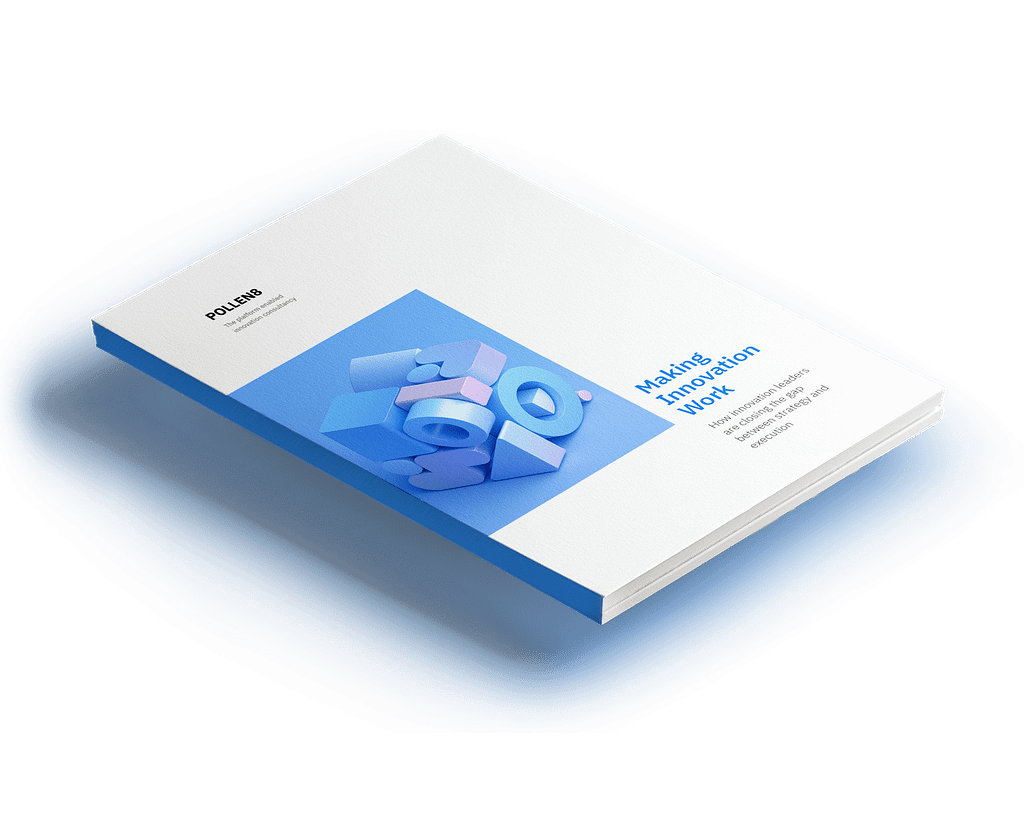

Free Whitepaper
MONEY TRANSMITTER LICENSING
A guide to help payment processors understand multi-state licensing and build a scalable strategy for national growth
Money Transmitter Licensing Triggers
Step-by-step overview of the licensing journey
State Licensing Nuances
Key financial safeguards like bonding and net-worth
Emerging considerations for digital assets and modern fintech models
What You’ll Learn
How Modern Fintechs Navigate Multi-State Money Transmitter Licensing
Gain a clear, practical roadmap for fintechs, payment processors, and money movement innovators entering or expanding within regulated markets. Beginning with when and why Money Transmitter Licenses (MTLs) are required, the guide breaks down core state and federal obligations, exemption pathways, and the challenges businesses face as they scale across jurisdictions. You’ll uncover how differing state definitions, modernization trends, and operational requirements shape an effective licensing strategy.
Beyond answering whether a license is needed, the resource shows how to approach licensing as a strategic growth enabler rather than an administrative barrier. It walks through the full lifecycle—from planning and documentation to bonding, renewals, and ongoing oversight—helping teams anticipate hurdles, streamline approval timelines, and strengthen credibility with banks, partners, and investors. Whether preparing for launch, expanding nationally, or exploring digital asset models, you’ll gain the clarity and structure needed to move forward with confidence.
State Map
State-by state Money transmitter Regulations
The majority of U.S. states require a money transmitter license to operate. However, these requirements are far from uniform. Our map of state requirements for money transmitters is a comprehensive resource of states that currently require a license highlighting the patchwork of regulations across the country.
Click a state for more information.
State Name
Click A State For More Info
Resources
Learn About Specific State Regulations