
On this page
- NEW LICENSING & REPORTING REQUIREMENTS
- HIGH-COST DATA BROKER REGISTRATION LAW ENACTED
- LICENSING FRAMEWORK CREATED FOR STABLECOIN ISSUERS
- FDIC PROPOSES REPORTING FOR PERMITTED PAYMENT STABLECOIN ISSUERS
- OPERATIONAL CHANGES
- NYC DELAYS SHIELD RULE EFFECTIVE DATE
- HOSPITAL DEBT COLLECTION TIED TO PRICE TRANSPARENCY COMPLIANCE
- CONSUMER DATA PRIVACY LAW, EFFECTIVE JAN 1, 2027
- PRIVACY LAW MAY REACH SOME NONBANK FINANCIAL ACTIVITY
- PROPOSALS & REGULATORY WATCH
- FEE CHALLENGE TARGETS DFPI ASSESSMENTS
- DFS PROPOSES PAYMENT STABLECOIN RULE
- JUNK FEE RULE WITH RECORDKEEPING AND DISCLOSURE REQUIREMENTS PROPOSED
- GARNISHMENT REWRITE RETURNS WITH BROADER EXEMPTIONS
- ENFORCEMENT
- APPEALS COURT RULES BUYING DEFAULTED MORTGAGE NOTES REQUIRES COLLECTION AGENCY LICENSE
- MORTGAGE LENDER ORDER HIGHLIGHTS LICENSING AND SURETY FAILURES
- UNREGISTERED COLLECTION AGENCY ACTIVITY PENALIZED
- MONEY TRANSMITTER FINED IN JOINT STATE ACTION
- RESOURCES & WEBINARS
- NEW WHITE PAPER: PASSIVE DEBT BUYING
- RECORDED WEBINAR: DIGITAL ASSET LICENSING
- LENDING RISK EBOOK
NEW LICENSING & REPORTING REQUIREMENTS
NEW JERSEY
HIGH-COST DATA BROKER REGISTRATION LAW ENACTED
New Jersey enacted A5328 on June 30, 2026, creating a data broker registration law with annual fees ranging from $5,000 to $1.5 million. The law appears broader than many traditional data broker statutes because it may reach companies that sell or license New Jersey residents' personal data even when they have direct customer relationships. For lenders, fintech companies, lead generators, and other financial services businesses, this creates an immediate scope review and cost question. Companies with New Jersey data activity should assess whether their practices trigger registration and fee exposure.
FLORIDA
LICENSING FRAMEWORK CREATED FOR STABLECOIN ISSUERS
Florida enacted HB 175 on June 26, 2026, creating a state licensing framework for qualified payment stablecoin issuers under Chapter 560. The law prohibits a person from engaging in qualified payment stablecoin issuer activity in Florida unless licensed or exempt, and it also requires certain trust companies to obtain a certificate of approval unless an exemption applies. The law brings payment stablecoins into Florida's money services anti-money-laundering recordkeeping and reporting structure and gives supervisory authority to the Office of Financial Regulation, or in some cases jointly with the OCC. For companies involved in stablecoin issuance, digital asset payments, or money transmission, Florida is now a key state for licensing scope and implementation planning.
FDIC PROPOSES REPORTING FOR PERMITTED PAYMENT STABLECOIN ISSUERS
The FDIC issued FIL-38-2026 with proposed reporting forms and instructions for FDIC-supervised permitted payment stablecoin issuers under the GENIUS Act framework. The proposal would require affected issuers to submit weekly and quarterly reports, with a short-form weekly option for some entities, and comments are due 60 days after Federal Register publication. This is one of the stronger federal items because it moves beyond policy discussion and shows the reporting mechanics for a new regulated activity. For businesses considering stablecoin issuance, it gives an early view of administrative burden and reporting structure.
OPERATIONAL CHANGES
NYC DELAYS SHIELD RULE EFFECTIVE DATE
The New York City Department of Consumer and Worker Protection delayed the effective date of its SHIELD debt collection rule from September 1, 2026 to January 1, 2027. The rule expands the city's debt collection requirements beyond the Fair Debt Collection Practices Act and Regulation F, with implications for workflows, notices, verification, communications, and recordkeeping. The delay gives creditors, collection agencies, and debt buyers more time to prepare, but it does not change the underlying direction of the rule. Companies collecting from New York City residents should use the added runway to finish system and process updates before January 1, 2027.
MISSOURI
HOSPITAL DEBT COLLECTION TIED TO PRICE TRANSPARENCY COMPLIANCE
Missouri enacted HB 2372 on July 13, 2026, and one provision creates a new restriction on hospital debt collection beginning August 28, 2026. Under the law, a hospital may not initiate or pursue collection action against a patient or guarantor for amounts tied to a hospital stay if the hospital was out of material compliance with federal hospital price transparency requirements during the relevant period. The law defines collection action broadly, including referral to a debt collector or collection agency, lawsuits, and furnishing information to a consumer reporting agency. For hospitals, revenue cycle vendors, and collection agencies handling medical accounts in Missouri, this creates a screening and documentation issue before placement or credit reporting begins.
LOUISIANA
CONSUMER DATA PRIVACY LAW, EFFECTIVE JAN 1, 2027
Louisiana enacted the Louisiana Data Privacy Act through Senate Bill 386, becoming the 22nd state with a comprehensive consumer privacy law, effective January 1, 2027. The law includes exemptions for financial institutions and affiliates subject to the Gramm-Leach-Bliley Act, as well as personal information use regulated by the Fair Credit Reporting Act. For financial services companies, the main issue is where operations, affiliates, vendors, or data uses may fall partly inside and partly outside those exemptions. Companies with Louisiana exposure should review exemption coverage, processor contracts, and non-GLBA data practices well before the effective date.
VERMONT
PRIVACY LAW MAY REACH SOME NONBANK FINANCIAL ACTIVITY
Vermont's Data Privacy and Online Surveillance Act takes effect January 1, 2028 and includes a data-level Gramm-Leach-Bliley Act exemption rather than a broader entity-level exemption. That distinction matters because some nonbank financial services companies may still need to review whether certain data, workflows, marketing activity, or vendor arrangements fall outside GLBA-protected activity. The law also sets relatively low applicability thresholds and requires data protection assessments for higher-risk processing. For lenders, servicers, collectors, and fintech companies with Vermont exposure, the main issue is identifying which business functions remain inside or outside the exemption structure.
PROPOSALS & REGULATORY WATCH
CALIFORNIA
FEE CHALLENGE TARGETS DFPI ASSESSMENTS
A lawsuit filed in California challenges the Department of Financial Protection and Innovation's authority to impose certain annual assessments on licensed financial services companies. The case focuses on whether the state's fee structure exceeds statutory limits and raises a broader question about how California funds supervision of licensed entities. For companies licensed through the DFPI, the case is worth watching because it could affect future assessment practices, cost planning, and how licensees evaluate the ongoing expense of operating in California.
NEW YORK
DFS PROPOSES PAYMENT STABLECOIN RULE
New York DFS proposed Part 202 to create a formal regulatory framework for authorized payment stablecoin issuers that aligns state requirements with the GENIUS Act. The proposal covers application and approval standards, reserve composition, monthly reporting and certifications, redemption timing, capital and operational backstop requirements, service provider oversight, and annual Bank Secrecy Act and sanctions certifications. For payments and digital asset companies, this is a concrete state framework tied to regulated activity and ongoing reporting expectations. It is especially relevant for firms deciding whether New York remains a workable entry point for stablecoin issuance.
NYC
JUNK FEE RULE WITH RECORDKEEPING AND DISCLOSURE REQUIREMENTS PROPOSED
New York City's Department of Consumer and Worker Protection proposed a junk fee rule that would require all-in pricing disclosures for businesses offering goods or services to New York City consumers. The proposal would also require businesses charging service or processing fees to maintain records showing what those fees cover, and failure to do so could create a presumption in enforcement proceedings that the fee was charged improperly. This matters for lenders, servicers, debt collectors, and payment providers that charge convenience, service, or processing fees. Comments and the public hearing are both scheduled for August 7, 2026.
MICHIGAN
GARNISHMENT REWRITE RETURNS WITH BROADER EXEMPTIONS
Michigan lawmakers have revived a nine-bill collections package that would significantly change post-judgment recovery in the state. The lead bill would cap wage garnishments, create an automatic $800 deposit account exemption, and raise the homestead exemption from $3,500 to $125,000. For collection agencies, creditors, debt buyers, and collection law firms, the proposal would directly affect garnishment process, expected liquidation, and account placement strategy. Because the package is still pending, this is a state watch item with major operational consequences if enacted.
ENFORCEMENT
ILLINOIS
APPEALS COURT RULES BUYING DEFAULTED MORTGAGE NOTES REQUIRES COLLECTION AGENCY LICENSE
An Illinois appeals court revived a suit alleging that a company operated as an unlicensed collection agency by purchasing defaulted mortgage notes and enforcing them through foreclosure actions. The court said the Illinois Collection Agency Act can reach entities that buy delinquent consumer debt for collection purposes, whether they collect directly or through litigation counsel. The decision is important for debt buyers, mortgage note purchasers, and firms acquiring distressed consumer debt in Illinois because it sharpens the licensing scope question. It also shows that federal debt collector definitions do not control state collection agency licensing analysis.
WASHINGTON
MORTGAGE LENDER ORDER HIGHLIGHTS LICENSING AND SURETY FAILURES
Washington DFI entered a consent order against West Capital Lending that included findings tied to unlicensed mortgage activity, unlicensed supervision, missing supervisory plans, and failure to maintain required surety bond coverage. The company agreed to pay $78,000 and address a range of Consumer Loan Act issues. This matters because it shows how state regulators can tie licensing, supervision, reporting, advertising, and bond obligations together in one examination record. For mortgage companies, it is a strong operating-risk signal.
OREGON
UNREGISTERED COLLECTION AGENCY ACTIVITY PENALIZED
Oregon's Division of Financial Regulation entered an order against Tri-State Adjustments for conducting collection agency activity without the required state registration. According to the order, the company collected from 1,812 Oregon consumers and businesses before and after being put on notice, and the state assessed a $181,500 civil penalty, with $141,500 suspended subject to future adherence. This is a direct reminder that collection activity can trigger registration requirements even when a company believes it is exempt. It also shows how quickly unlicensed activity can turn into material penalty exposure.
TEXAS & COLORADO
MONEY TRANSMITTER FINED IN JOINT STATE ACTION
Texas and Colorado entered a consent order with a money transmitter on June 18, 2026, imposing a combined $200,000 penalty tied to alleged Bank Secrecy Act program failures. The action is relevant because it shows coordinated state scrutiny of money transmitter operations and offers a signal about what state banking regulators expect to see in AML controls, oversight, and examination readiness.
RESOURCES & WEBINARS
NEW WHITE PAPER: PASSIVE DEBT BUYING
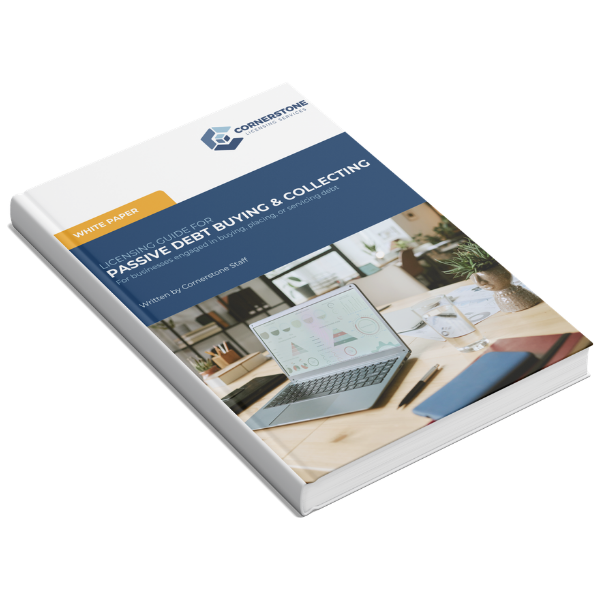
Businesses involved in passive debt buying face complex licensing requirements that vary by state. This guide provides clarity on the obligations that may arise even if your company does not directly contact consumers. What's Included:
• Common licensing triggers
• Major state variations
• Filing issues to consider
• Steps to develop a compliant licensing strategy
RECORDED WEBINAR: DIGITAL ASSET LICENSING
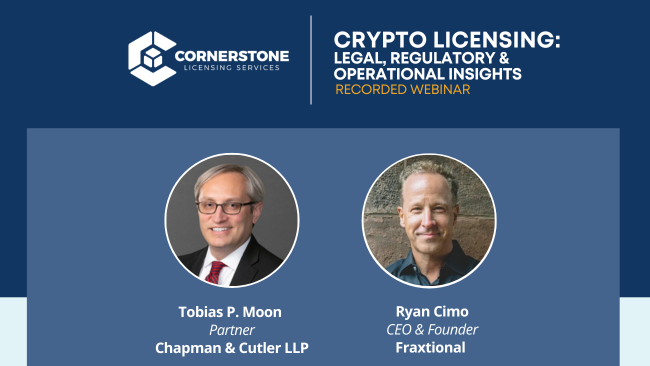
Our latest webinar focused on the realities of digital asset licensing. As state expectations continue to evolve, we discussed where licensing risk often arises, what regulators are paying attention to, and how businesses can better prepare before they file. We covered:
• Common licensing triggers for digital asset models
• Stablecoins, wallets, and custody questions
• Trust charter vs. state-by-state licensing paths
• What regulators want to see in funds flow documentation
• The gaps that often slow approvals
• What companies need to maintain after approval
If you missed it, you can watch it anytime on-demand.
WATCH NOW
LENDING RISK EBOOK
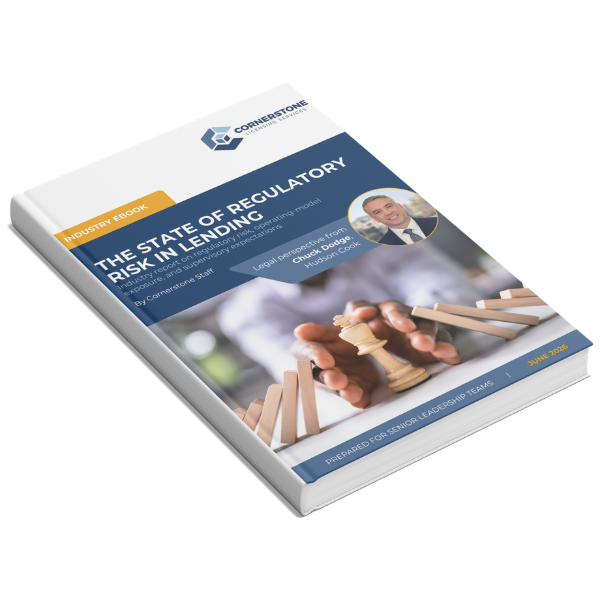
Deep dive into the regulatory pressures shaping nonbank lending today, from licensing and supervision to partnerships, servicing, product design, and data governance. Developed in collaboration with Chuck Dodge of Hudson Cook. What's inside:
• Emerging regulatory risks across the lending ecosystem
• Growth strategies that commonly create licensing challenges
• Key developments affecting Section 1033, Section 1071, BNPL, and EWA
• Expectations for governance, oversight, and operational readiness
• Leadership priorities and practical next steps for the year ahead
Found This Useful? Let's Get You Set Up.
Start an application and an expert will tailor the next steps to your situation.