
Skip to content

Licensing

Failure to Renew a Background Check for Every Collector Will Risk Loss of Minnesota License

← All articles
Filed under Licensing

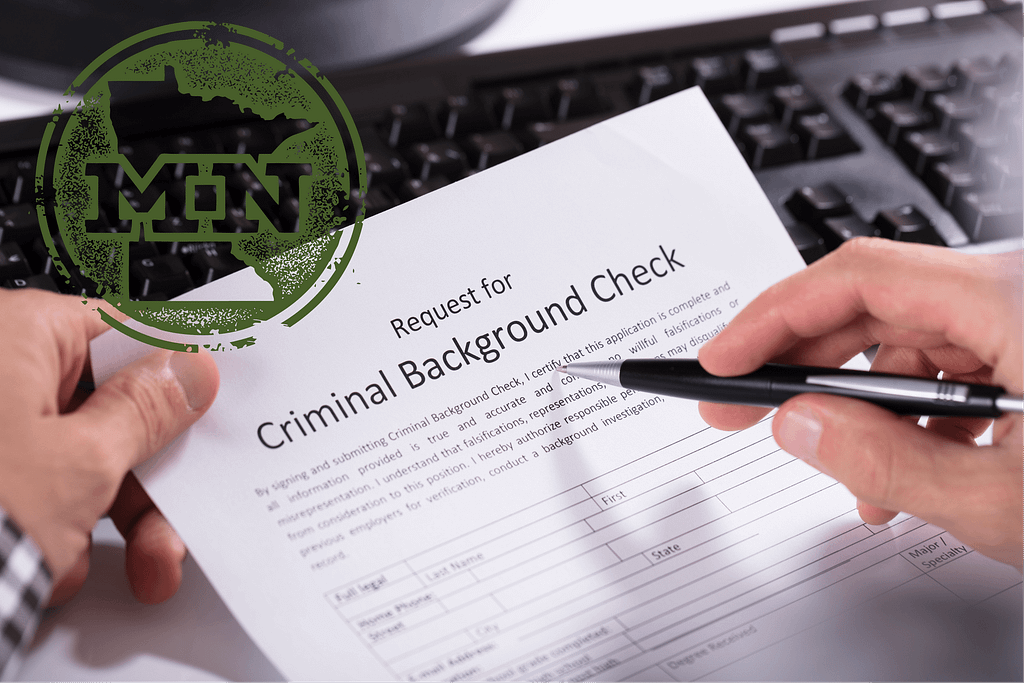
a person holding a pen over a paper

Cornerstone Support launches 'Collector Check' in anticipation of Minnesota's Collector Background Screening Requirements

When renewing a collection license in Minnesota an agency must legally attest to completing the Minnesota collector background screening requirements under penalty of law. Cornerstone Support offers a Criminal Background Screening Service which will allow you to rest assured that you have complied with Minnesota's collector background screening requirements.

Cornerstone Support's Collector Check helps you get all your collectors screened expediently and inexpensively. Cornerstone 's Collector Check is your one-stop shop for background screenings.

"We understand that collection agencies have their hands full with regulations as it is," says Keith Montgomery, the Client Experience Manager at Cornerstone Support. "Our goal with Collector Check is to ensure that the agencies can stay focused on their business while we focus on completing their annual background checks for all their Minnesota collectors."

Found This Useful? Let's Get You Set Up.

Start an application and an expert will tailor the next steps to your situation.

Related reading

Licensing

Note-on-Note Financing Explained: Borrowing Against Your Notes

Note-on-note financing is how note investors recycle capital without selling. The facilities are lightly licensed by name, but regulated at every edge.

Licensing

Buying Mortgage Notes From Banks: How It Works and What to Check

Banks sell notes to manage capital and clean up balance sheets. Buying them is the easy part; the diligence and the licensing plan are what separate professionals.

Licensing

Performing vs Non-Performing Notes: The Compliance Difference

The price discount on non-performing notes is compensation for work, and much of that work is regulated. Here is how the licensing analysis splits between the two.

Fair Lending: Increased Scrutiny on Algorithmic Decision-Making

Lending

Fair Lending: Increased Scrutiny on Algorithmic Decision-Making

As lending institutions increasingly embrace artificial intelligence (AI) and alternative credit scoring models, regulators are focusing on ensuring these tools uphold fair lending principles. These advanced technologies promise more precise risk assessments and expanded access to credit but also bring challenges related to transparency, bias, and fairness. With heightened scrutiny in 2025, lenders must adapt [...]

February 2026

Newsletter

February 2026

NYC ADOPTS SWEEPING DEBT COLLECTION RULE AMENDMENTS New York City has finalized a broad set of changes to its local debt collection rules, expanding obligations for collection agencies, debt buyers, and original creditors once they engage in "debt collection procedures." The final rule, effective Sept 1, clarifies several long-debated areas, including communication limits (applied per account), [...]

First-Party vs. Third-Party Collections: Key Differences in Licensing

Licensing

First-Party vs. Third-Party Collections: Key Differences in Licensing

Learn key differences in licensing for first-party vs. third-party debt collections, compliance rules, and state regulations.

Browse the full insights library, meet our editorial team, or download our whitepapers.

Insights

Found This Useful? Let's Get You Set Up.

An expert will respond within one business day.